
Hip Conditions & Surgery
The hip joint plays an important role in mobility, stability, and weight-bearing. It allows the leg to move in multiple directions while supporting the body during standing, walking, and other daily activities.
When the hip joint becomes damaged through injury, arthritis, or structural problems, it can lead to pain, stiffness, and reduced movement.
At Orthocentre, our orthopaedic surgeons assess and manage a range of hip conditions using both non-surgical and surgical treatment options. Care is tailored to each patient, with the goal of reducing pain, restoring movement, and improving quality of life.
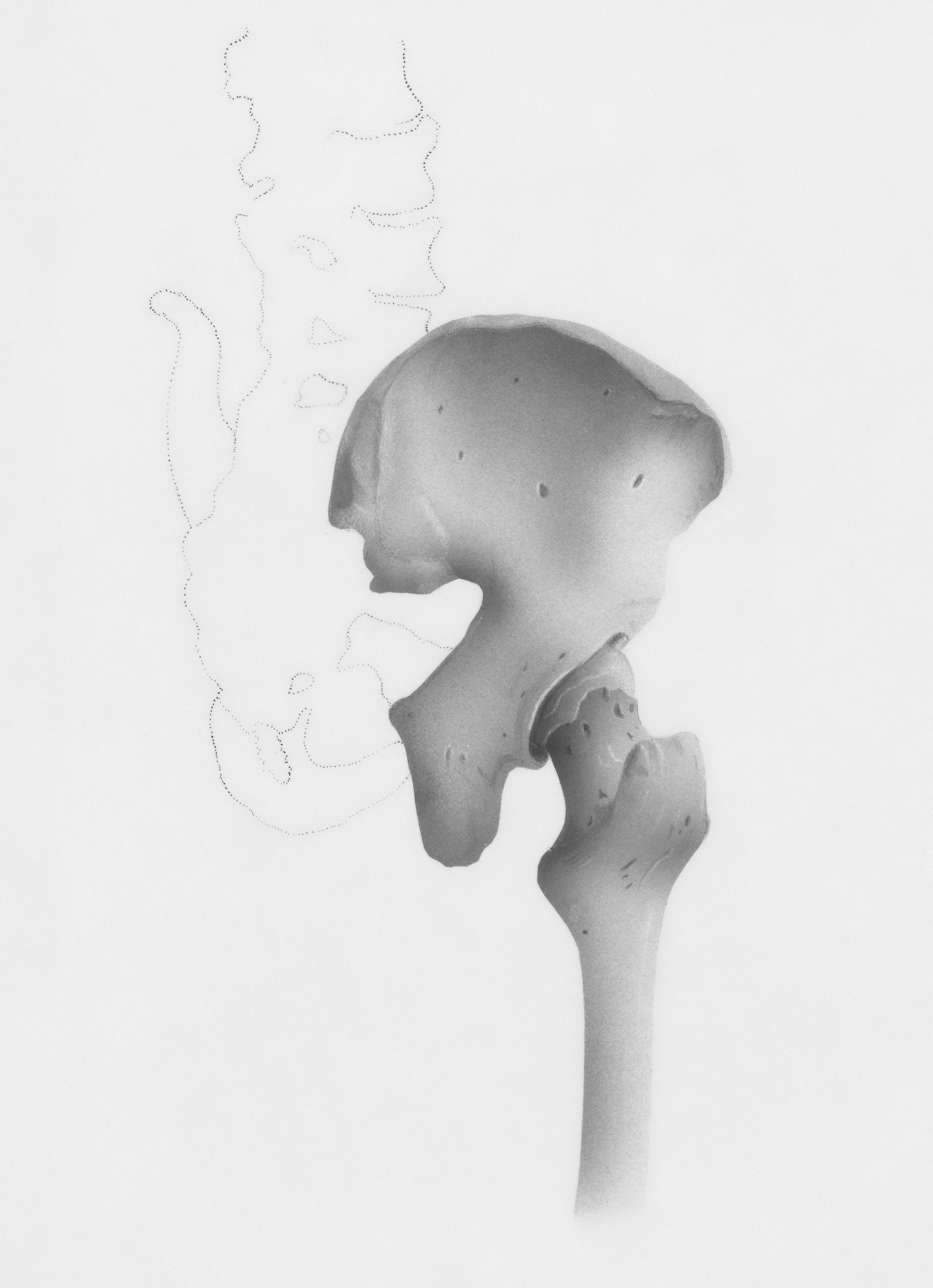
Hip Procedures
Orthocentre offers a range of surgical procedures for hip conditions, including:
Total Hip Replacement (THR)
Hip Arthroscopy
Hip Resurfacing
Revision Hip Replacement
Your surgeon will recommend the most appropriate treatment based on your symptoms, diagnosis, and overall health.
Hip Surgery Options
-
Total Hip Replacement (THR) is a surgical procedure used to treat severe hip pain and loss of function caused by arthritis or joint damage. The procedure replaces the damaged parts of the hip joint with artificial components designed to restore movement and reduce pain.
The hip joint is made up of a ball (femoral head) and socket (acetabulum). During hip replacement surgery, these surfaces are replaced with prosthetic components that allow the joint to move smoothly again.
When Is Hip Replacement Recommended?
Hip replacement may be considered when:
Hip pain persists despite non-surgical treatment
Arthritis has significantly damaged the joint
Daily activities such as walking or sleeping are affected
Mobility and quality of life are reduced
Goals of Surgery
The aim of total hip replacement is to:
Reduce or eliminate hip pain
Improve joint movement and mobility
Restore function for everyday activities
Improve overall quality of life
Hip replacement is one of the most effective procedures for treating advanced hip arthritis and can provide many years of improved comfort and mobility.
-
Hip arthroscopy is a minimally invasive procedure used to diagnose and treat certain problems inside the hip joint. The surgery is performed using a small camera (arthroscope) inserted through small incisions around the hip.
This technique allows surgeons to view the inside of the joint and perform treatment without the need for large surgical incisions.
Conditions Treated With Hip Arthroscopy
Hip arthroscopy may be used to treat conditions such as:
Labral tears
Loose fragments of cartilage within the joint
Snapping hip syndrome
Femoroacetabular impingement (FAI)
Certain types of cartilage damage
Benefits of Arthroscopic Surgery
Compared with traditional open surgery, hip arthroscopy typically involves:
Smaller incisions
Less disruption to surrounding tissues
Faster recovery and rehabilitation
Earlier return to activity in many cases
Your surgeon will determine whether arthroscopy is appropriate based on the specific condition affecting your hip.
-
Hip resurfacing is a bone-preserving alternative to total hip replacement for selected patients. Instead of replacing the entire femoral head, the damaged surface of the joint is reshaped and covered with a metal component.
The socket portion of the hip joint is replaced in a similar way to a standard hip replacement, while the femoral head is preserved.
Who May Benefit?
Hip resurfacing may be considered for:
Younger patients with hip arthritis
Individuals who wish to maintain a more active lifestyle
Patients with good bone quality
This procedure preserves more of the natural bone, which can make future hip replacement surgery easier if it becomes necessary later in life.
Your surgeon will assess whether hip resurfacing is suitable based on your age, activity level, and the condition of your hip joint.
-
Revision hip replacement is a procedure performed when part or all of a previous hip replacement needs to be replaced or repaired. This may occur if the original joint replacement becomes worn, loose, infected, or unstable over time.
Revision surgery can vary from a relatively minor procedure, such as replacing the plastic liner, to more complex operations involving replacement of multiple components.
Reasons Revision Surgery May Be Required
Common reasons include:
Loosening of the implant
Wear of the joint components
Infection
Recurrent dislocation of the hip joint
Bone loss around the implant
Treatment Approach
Revision surgery requires careful planning and detailed imaging to assess the existing implants and surrounding bone. The aim is to restore stability, relieve pain, and improve joint function.
The exact procedure will depend on the cause of the problem and the condition of the existing hip replacement.
Further Information
Understanding your condition and treatment options is an important part of your care. If you have questions about your diagnosis or would like to discuss management options, our team is available to assist.
Please contact Orthocentre for more information or to arrange a consultation.