

Shoulder Conditions and Treatment
The shoulder is a highly mobile joint that relies on a complex interplay of muscles, tendons, and ligaments, making it susceptible to a range of conditions. Common problems include rotator cuff tears, shoulder impingement, instability or dislocation, labral tears, arthritis, and frozen shoulder. Patients may experience pain, weakness, stiffness, or reduced range of motion, often impacting daily activities and sleep.
Management depends on the specific diagnosis and severity. Many conditions improve with non-surgical treatments such as physiotherapy, activity modification, anti-inflammatory medications, and guided injections. When conservative measures are insufficient, surgical options may be considered.
Early assessment and tailored treatment are key to restoring function, relieving pain, and preventing long-term complications. An orthopaedic specialist can provide a comprehensive evaluation and guide patients through the most appropriate management pathway for their condition.
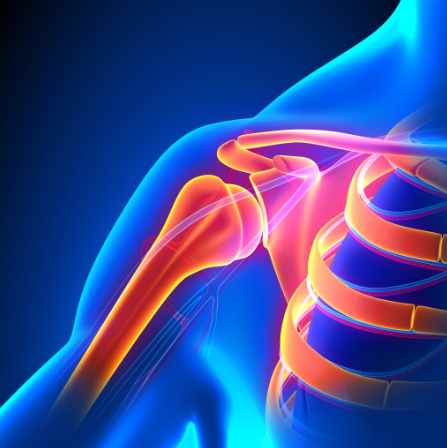
Shoulder Conditions
Orthocentre manages a range of shoulder conditions, including:
Rotator Cuff Tears
Shoulder Arthroscopy
Shoulder Stabilisation
Total Shoulder Replacement
Shoulder Arthritis
Shoulder Instability and Dislocations
Shoulder Impingement
Proximal Humerus Fractures
Frozen shoulder
Fractured Clavicle (Collarbone)
Pec Repair
Your surgeon will recommend the most appropriate treatment based on your symptoms and diagnosis.
Shoulder Surgery
-
The rotator cuff is a group of muscles and tendons that stabilise the shoulder and allow movement. Tears can occur due to injury or gradual degeneration over time.
Symptoms may include pain, weakness, and difficulty lifting or rotating the arm.
Who May Benefit?
Management may be required for:
Patients with confirmed rotator cuff tears
Individuals with shoulder weakness or pain
Difficulty with overhead or lifting activities
Patients not responding to non-surgical treatment
Treatment may involve rehabilitation or surgical repair depending on the severity.
-
Total Shoulder Replacement (TSR) is a surgical procedure used to treat severe shoulder pain and loss of function caused by arthritis or joint damage. The procedure replaces the damaged parts of the shoulder joint with artificial components designed to restore movement and reduce pain.
The shoulder joint is made up of a ball (humeral head) and socket (glenoid). During shoulder replacement surgery, these surfaces are replaced with prosthetic components that allow the joint to move more smoothly and comfortably.
When Is A Shoulder Replacement Recommended?
Shoulder replacement may be considered when:
Shoulder pain persists despite non-surgical treatment
Arthritis or injury has significantly damaged the joint
Daily activities such as dressing, lifting, or sleeping are affected
Mobility and quality of life are reduced
Goals of Surgery
The aim of total shoulder replacement is to:
Reduce or eliminate shoulder pain
Improve joint movement and range of motion
Restore function for everyday activities
Improve overall quality of life
Shoulder replacement is an effective procedure for treating advanced shoulder arthritis and can provide long-term pain relief and improved function.
-
Shoulder instability occurs when the joint is unable to remain in its normal position, sometimes resulting in partial or complete dislocation. This can occur following injury or due to underlying joint laxity.
Symptoms may include pain, weakness or repeated dislocations.
Who May Benefit?
Treatment may be considered for:
Patients with shoulder dislocations
Individuals experiencing instability or “giving way”
Recurrent shoulder injuries
Patients requiring stabilisation for return to activity
Management may involve rehabilitation or surgical stabilisation depending on severity.
-
Shoulder arthroscopy is a minimally invasive procedure used to assess and treat conditions within the shoulder joint. A small camera is inserted through small incisions, allowing the surgeon to visualise and treat the joint.
It is commonly used for rotator cuff repairs, impingement, and other intra-articular conditions.
Who May Benefit?
This procedure may be considered for:
Patients with persistent shoulder pain
Individuals with soft tissue or structural damage
Patients not responding to conservative treatment
Conditions requiring minimally invasive intervention
Your surgeon will determine if arthroscopy is appropriate based on your condition.
-
Shoulder impingement occurs when the tendons of the rotator cuff are compressed during movement, leading to pain and inflammation.
It is often associated with repetitive overhead activity or structural changes within the shoulder.
Who May Benefit?
Management may be required for:
Patients with pain during overhead movement
Individuals with inflammation or tendon irritation
Persistent shoulder discomfort
Reduced function with activity
Treatment may include physiotherapy or surgical intervention where necessary.
-
A fracture of the upper arm bone (humerus) near the shoulder can occur following a fall or trauma. These injuries can affect shoulder movement and function.
Treatment may involve immobilisation or surgical management depending on the severity and alignment of the fracture.
Who May Benefit?
Management may be required for:
Patients with shoulder fractures following injury
Individuals with pain, swelling, or limited movement
Displaced or complex fractures
Patients requiring restoration of joint function
Your surgeon will assess the injury and recommend the appropriate treatment.
-
Clavicle fractures are a common injury, often occurring from a fall or direct impact to the shoulder. The clavicle connects the arm to the body and plays an important role in shoulder movement and stability.
Treatment depends on the location and severity of the fracture and may involve non-surgical management or surgical fixation.
Who May Benefit?
Management may be required for:
Patients with a confirmed clavicle fracture
Individuals experiencing pain, swelling, or deformity
Displaced or unstable fractures
Patients not responding to non-surgical treatment
Your surgeon will determine the most appropriate approach based on the type of fracture.