

Knee Conditions and Treatment
Orthopaedic knee conditions include a wide range of conditions affecting the joint, including the bones, cartilage, ligaments, and surrounding soft tissues.
We evaluate and treat a variety of knee conditions, from common concerns such as osteoarthritis and anterior knee pain to more complex injuries including ACL ruptures, meniscal tears, and joint instability. Our approach is built on careful diagnosis and tailored treatment plans, with a strong focus on evidence-based non-operative care wherever suitable, including physiotherapy, activity adjustment, and image-guided injections. When surgery is required, we offer advanced techniques such as keyhole (arthroscopic) surgery, ligament reconstruction, and total knee replacement to ease pain, improve function, and help you return to an active lifestyle.
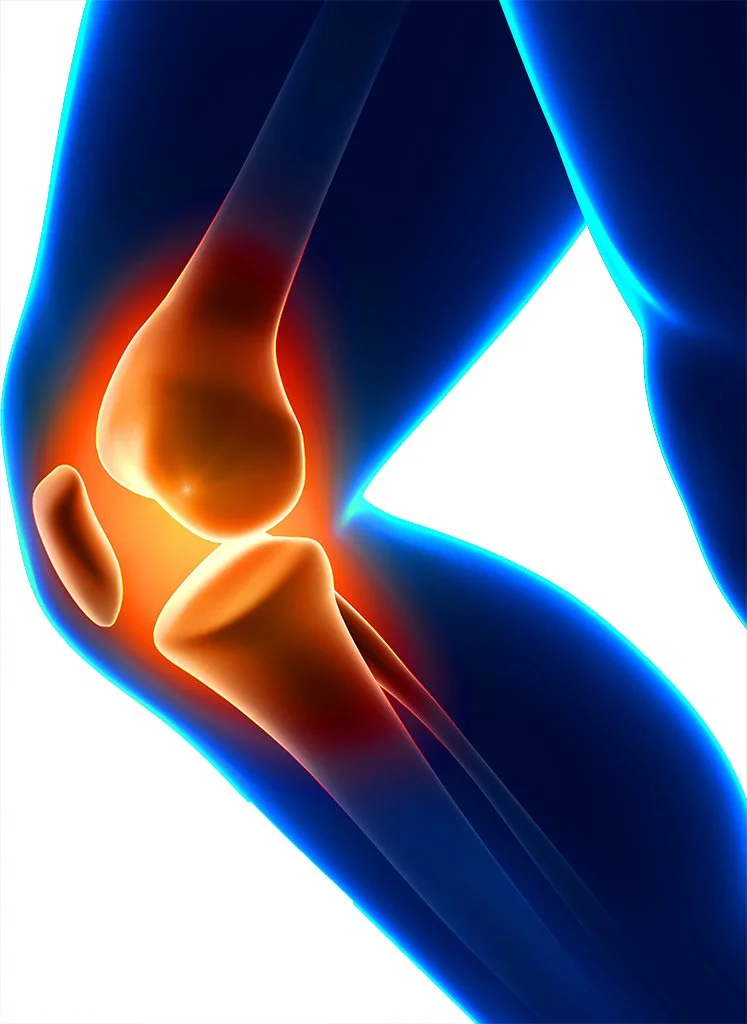
Knee Conditions
Orthocentre offers a range of surgical procedures for knee conditions, including:
Total Knee Replacement (TKR)
Knee Arthroscopy
ACL Reconstruction
Partial (Uni-Compartmental) Knee Replacement
Revision Knee Replacement
Your surgeon will recommend the most appropriate treatment based on your symptoms, diagnosis, and overall health.
Knee Surgery
-
Knee arthroscopy is a minimally invasive procedure used to assess and treat conditions within the knee joint. A small camera (arthroscope) is inserted through small incisions, allowing the surgeon to view the joint and perform treatment using specialised instruments.
It is commonly used to address issues such as meniscal tears, cartilage damage, and loose fragments within the joint.
Who May Benefit?
Knee arthroscopy may be considered for:
Patients with persistent knee pain or swelling
Individuals with meniscal or cartilage injuries
Patients experiencing locking or catching of the knee
Those who have not responded to non-surgical treatment
Your surgeon will determine whether arthroscopy is appropriate based on your symptoms and clinical findings.
-
Total knee replacement is a surgical procedure used to treat advanced arthritis or significant joint damage. The worn surfaces of the knee joint are replaced with artificial components designed to reduce pain and improve movement.
The procedure aims to restore alignment and function, allowing patients to return to everyday activities with greater comfort.
Who May Benefit?
Total knee replacement may be considered for:
Patients with advanced knee arthritis
Individuals with ongoing pain despite non-surgical treatment
Patients with reduced mobility affecting daily activities
Those experiencing significant stiffness or joint deformity
Your surgeon will assess whether knee replacement is appropriate based on the severity of joint damage and overall health.
-
Anterior Cruciate Ligament (ACL) Reconstruction
ACL reconstruction is a procedure used to restore stability to the knee following injury to the anterior cruciate ligament. The damaged ligament is replaced with a graft, allowing the knee to regain strength and function.
This procedure is commonly performed in patients who experience instability during movement, particularly in sport or activity.
Who May Benefit?
ACL reconstruction may be considered for:
Patients with a confirmed ACL tear
Individuals experiencing knee instability or “giving way”
Active patients wishing to return to sport or higher-level activity
Patients with associated knee injuries requiring surgical management
Your surgeon will recommend the most appropriate treatment based on your activity level and degree of instability.
-
This technique uses a graft taken from the patient’s hamstring tendons to reconstruct the ACL. The graft is positioned to restore stability and allow the knee to function normally.
It is a commonly used method that provides reliable outcomes with minimal impact on the front of the knee.
Who May Benefit?
This technique may be considered for:
Patients requiring ACL reconstruction
Individuals seeking a strong and reliable graft option
Patients where minimising anterior knee pain is a consideration
Your surgeon will determine the most suitable graft type based on your anatomy and activity requirements.
-
This technique uses a graft from the patellar tendon to reconstruct the ACL. The graft includes a portion of bone at each end, allowing for strong fixation within the knee.
It is often used in patients involved in high-demand or pivoting activities.
Who May Benefit?
This technique may be considered for:
Active individuals returning to sport
Patients requiring strong graft fixation
Individuals suited to this graft type based on clinical assessment
Your surgeon will advise whether this approach is appropriate based on your specific needs and goals.
-
Partial knee replacement involves replacing only the damaged portion of the knee joint, preserving the healthy bone and surrounding structures. The procedure is designed to maintain more natural knee movement compared to total knee replacement.
It is typically performed when arthritis is limited to one compartment of the knee.
Who May Benefit?
Partial knee replacement may be considered for:
Patients with arthritis confined to a single area of the knee
Individuals with intact ligaments and good joint stability
Patients seeking a less extensive surgical option
Your surgeon will assess whether this procedure is suitable based on the location and extent of joint damage.
-
Revision knee replacement is performed when a previous knee replacement requires repair or replacement. This may be due to wear, loosening of components, infection, or instability of the joint.
The procedure can vary in complexity depending on the condition of the existing implant and surrounding bone.
Who May Benefit?
Revision surgery may be required for:
Patients with a worn or loosened knee replacement
Individuals experiencing ongoing pain or instability
Cases of infection or implant-related complications
Careful planning is required to restore joint function and stability. Your surgeon will determine the most appropriate approach based on your individual condition.