

Elbow Conditions and Treatment
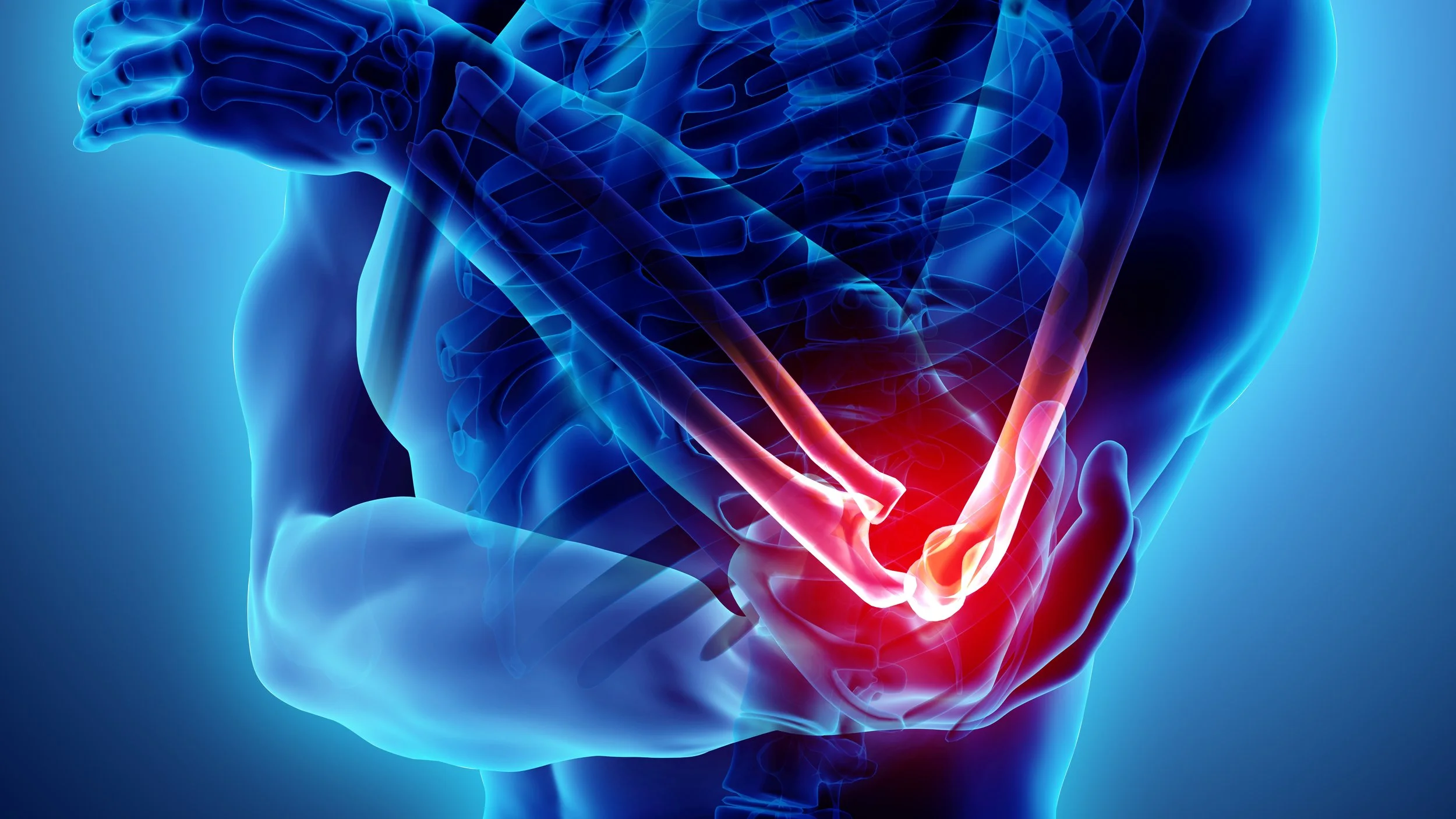
The elbow is a hinge joint that allows bending, straightening, and rotation of the forearm. It plays an important role in everyday movement and function.
Injury, overuse, or degenerative conditions can lead to pain, stiffness, and reduced strength or mobility.
Orthocentre provides specialist assessment and management of elbow conditions, with treatment tailored to each patient. This may include non-surgical care or surgical intervention where appropriate.
Elbow Procedures
Orthocentre manages a range of elbow conditions, including:
Elbow Arthritis
Elbow Stiffness
Loose Bodies in the Elbow
Biceps Tendon Rupture
Triceps Tendon Rupture
Tennis Elbow (Lateral Epicondylitis)
Radial Head Fracture
Elbow Replacement
Your surgeon will recommend the most appropriate treatment based on your symptoms and diagnosis.
Elbow Surgery
-
Total Elbow Replacement (TER) is a surgical procedure used to treat severe elbow pain and loss of function caused by arthritis, trauma, or joint damage. The procedure replaces the damaged parts of the elbow joint with artificial components designed to restore movement and reduce pain.
The elbow joint is made up of the humerus (upper arm bone) and the ulna and radius (forearm bones), which work together to allow bending and rotation of the arm. During elbow replacement surgery, the damaged joint surfaces are replaced with prosthetic components that enable smoother, more stable movement.
When Is An Elbow Replacement Recommended?
Elbow pain persists despite non-surgical treatment
Arthritis or previous injury has significantly damaged the joint
Daily activities such as lifting, eating, or personal care are affected
Mobility and quality of life are reduced
The aim of total elbow replacement is to:
Reduce or eliminate elbow pain
Improve joint movement and function
Restore ability to perform everyday activities
Improve overall quality of life
Elbow replacement is a reliable procedure for treating advanced elbow arthritis or complex joint damage and can provide meaningful pain relief and improved function.
-
Elbow stiffness can occur following injury, surgery or prolonged immobilisation. It may limit the ability to fully bend or straighten the arm and can affect everyday function.
Who May Benefit?
Treatment may be considered for:
Patients with restricted elbow movement
Individuals following injury or surgery
Persistent stiffness affecting daily tasks
Limited response to rehabilitation
Management is tailored to restore movement and function.
-
Loose bodies are small fragments of bone or cartilage that become detached within the elbow joint. These fragments can cause pain, locking, or catching during movement.
Who May Benefit?
Treatment may be considered for:
Patients experiencing joint locking or catching
Individuals with pain during movement
Loose fragments identified on imaging
Persistent symptoms not improving with conservative care
Treatment may involve removal of the loose bodies, often using minimally invasive techniques.
-
A rupture of the distal biceps tendon occurs when the tendon that attaches the biceps muscle to the elbow becomes torn. This can result in pain, weakness, and reduced ability to rotate or lift the forearm.
Who May Benefit?
Treatment may be considered for:
Patients with a confirmed tendon rupture
Individuals experiencing weakness in lifting or rotation
Acute injury following a sudden load or strain
Patients requiring restoration of strength and function
Surgical repair may be recommended in suitable cases.
-
Distal Triceps Tendon Repair is a surgical procedure used to treat a tear or rupture of the triceps tendon at its attachment to the elbow. The procedure restores the connection between the triceps muscle and the bone, helping to regain strength, movement, and function of the arm.
The triceps tendon connects the triceps muscle at the back of the upper arm to the olecranon, which is the bony tip of the elbow. This tendon is responsible for straightening the elbow and assisting with pushing movements. When the tendon is torn or ruptured, elbow extension can become weak, painful, or impossible.
Distal triceps tendon repair may be considered when:
There is a partial or complete tear of the triceps tendon
Elbow strength is significantly reduced
Straightening the arm is painful or difficult
Non-surgical treatment has not improved symptoms
Function in daily activities, work, or sport is affected
The aim of distal triceps tendon repair is to:
Reattach the torn tendon to the elbow bone
Restore elbow extension strength
Reduce pain and improve stability
Restore arm function for everyday activities
Support return to work, exercise, and sport
Distal triceps tendon repair is an effective procedure for restoring strength and function following tendon injury and can provide excellent long-term outcomes when combined with appropriate rehabilitation.
-
Radial Head Fracture is an injury involving a break in the radial head, which is the top part of the radius bone located at the elbow joint. This type of fracture commonly occurs after a fall onto an outstretched hand or direct trauma to the elbow and can cause pain, swelling, and difficulty moving the arm.
The elbow joint is made up of three bones: the humerus (upper arm bone), ulna, and radius (forearm bone). The radial head sits at the top of the radius and helps the elbow bend, straighten, and rotate the forearm. When this area is fractured, normal movement of the elbow and forearm can be significantly affected.
Treatment for a radial head fracture may be considered when:
Elbow pain persists after injury
There is swelling, bruising, or tenderness around the elbow
Movement is restricted, particularly when rotating the forearm
The fracture is displaced or involves multiple fragments
Daily activities such as lifting, dressing, or writing are affected
Treatment may be non-surgical, such as using a sling and physiotherapy, or surgical if the fracture is severe or unstable.
The aim of treatment for a radial head fracture is to:
Reduce pain and swelling
Restore elbow and forearm movement
Promote proper bone healing
Return strength and function for everyday activities
Prevent long-term stiffness or instability
With appropriate treatment and rehabilitation, most radial head fractures heal well and allow a good return to normal function.
-
Tennis elbow is a condition caused by irritation or degeneration of the tendons on the outside of the elbow. It is often related to repetitive use or strain.
Symptoms typically include pain on the outer part of the elbow and difficulty with gripping or lifting.
Who May Benefit?
Treatment may be considered for:
Patients with persistent elbow pain
Individuals with pain during gripping or lifting
Repetitive strain or overuse injuries
Symptoms not improving with initial treatment
Management may include physiotherapy, activity modification, or further intervention where required.